Shared fences
Good Neighbor Fences and Splitting the Cost
In California, neighbors are presumed equally responsible for the reasonable cost of a fence that divides their properties, unless they agree otherwise in writing (Civil Code §841). Before spending money on it, you must give the neighbor 30 days’ written notice describing the problem, the fix, the cost, the proposed split and the timeline.
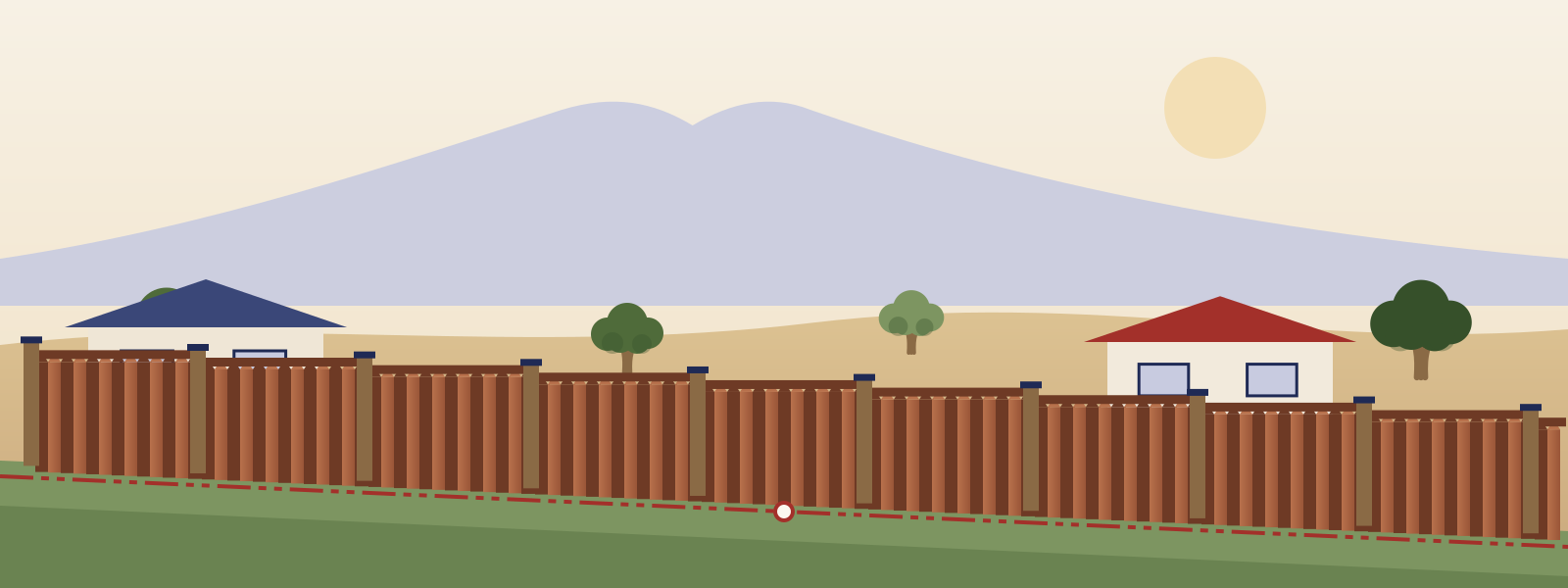
What a good neighbor fence is
A good neighbor fence looks finished from both yards. Board-on-board hides the posts and rails behind boards on both faces; shadowbox alternates boards on each side of the rails. It costs a little more than a one-sided privacy fence because it uses more boards, and it’s the easiest design to agree on when the cost is shared.
What Civil Code §841 says
“Adjoining property owners are presumed to share an equal benefit from any fence dividing their properties and, unless otherwise agreed to by the parties in a written agreement, shall be presumed to be equally responsible for the reasonable costs of construction, maintenance, or necessary replacement of the fence.”
Civil Code §841(b)(1)
The law, in force since 2014, covers the cost of building, maintaining or replacing a dividing fence. A written agreement between neighbors overrides the presumption.
The 30-day notice
Shared-fence notice: what it has to contain
Written notice to each affected neighbor, at least 30 days before you incur costs.
- The presumptionA statement that neighbors are presumed equally responsible for the reasonable costs of the fence.
- The problemWhat’s wrong with the shared fence (e.g. “posts rotted along the 80 ft rear line; two sections leaning”).
- The proposed solutionRepair or replace, height, style and material.
- The estimated costAttach the contractor quote if you have one.
- The proposed cost splitUsually half each; say so plainly.
- The proposed timelineWhen work would start and roughly how long it takes.
An outline of what the statute requires, not a legal form. Keep a copy and a record of when it was delivered.
When equal sharing may not apply
The presumption can be overcome by showing equal sharing would be inequitable. A court considers (§841(c)):
- whether one owner’s financial burden is substantially out of proportion to the benefit they get;
- whether the fence’s cost exceeds the difference in property value before and after it’s built;
- whether the cost would be an undue financial hardship for one owner;
- how reasonable the project is, including costs that look unnecessary or excessive, or that come from one owner’s aesthetic or architectural preferences;
- any other equitable factors.
In practice: a plain, fairly priced replacement of a failing fence is the easiest case for a 50/50 split; a taller, upgraded design one neighbor wants is harder.
Working from the neighbor’s side
Replacing a boundary fence usually means working from both yards. §841 is about cost, not access, so get the neighbor’s permission in writing, with dates, which gate the crew will use, and what happens to plants along the line. If they won’t agree, don’t assume a right of entry; get advice first.
Where exactly is the line?
Old fences aren’t always on the property line. If a new fence will move, or the neighbors disagree about where the line runs, a licensed land surveyor can mark it before posts go in. Rossmoor’s mutuals manage exterior changes, and many HOAs (Blackhawk’s architectural review among them) need to approve a new fence before work starts.
A worked example
| Item | Estimate |
|---|---|
| Replace 100 ft of shared fence at $30–$80+ per foot (HomeGuide) | $3,000–$8,000+ |
| Each neighbor’s half, split equally | $1,500–$4,000+ |
Questions
Do you have to let your neighbor on your property to fix his fence in California?
What is the difference between a privacy fence and a good neighbor fence?
Does my neighbor have to pay half of a new fence?
How much notice do I have to give?
Sources
Checked October 4, 2026. Rules and prices change; confirm anything that affects your project with the city or a licensed contractor.
Next step
Get a quote to share with your neighbor
A written estimate is the core of the §841 notice. Send the details and a local fence contractor can call you.
Call (925) 477-4533- Posts, sections, gates and full replacements
- Shared fences, deer fences and fire-zone fencing
- Walnut Creek, Lafayette, Orinda, Danville and nearby